Shop for Fuji gear at B&H

Showing posts with label Experience. Show all posts

Wednesday, March 26, 2014

After 3 years with Fuji X-Cameras I say "Domo Arigato Fujifilm and Ganbatte Kudasai!"


It's now 3 years ago when my camera shop called and told me that they just got a Fuji X100 in and that I could buy it. 30 minutes later I was holding that camera beauty in my hands.

I surprised myself a bit by buying a camera that I had never held in my hands and did not read any usability reviews about before I bought it. On top of that I was pretty sure that I would never buy another camera without a full frame sensor since I switched to a Canon 5D / 5D MK II long before.

But the Canon's were simply too heavy to always have them with me. I recall a photo tour to Paris where my giant back pack full of DSLR bodies and premium lenses completely wore me out. Towards the end of that trip I was down to one camera body with my 35mm f1.4 lens and the rest of the gear locked up in the hotel room.

To go "back" to an APS-C size sensor in order to greatly reduce the bulk of gear I had to lug around with me was all of a sudden very appealing. And a camera that had and optical and electronic viewfinder plus the aperture ring, shutter time and exposure compensation on dedicated wheels and in locations where I used to have them in my trusted analog cameras made the X100 worth a purchase without trying before buying.

The X100 was supposed to be my every day casual shooting camera. I still had the big DSLR rig for "serious" jobs. I took my first photos with the Fuji and loved the image quality and color out of camera so much, that I even threw my principle of "never to photograph anything else but RAW again" over board and set the X100 to JPG only.

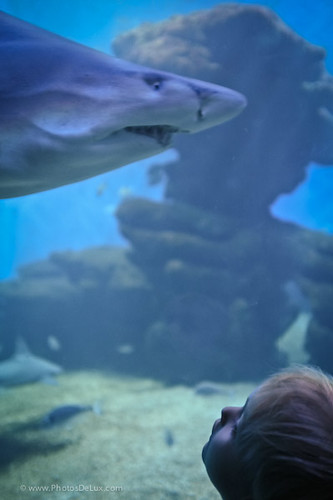
eye to eye with a shark
Fuji X100 with initial Firmware at the aquarium at ISO 2000

But as much as I loved the X100 I had quickly written down a fairly long list of things that I found quirky about it. One example was the fairly long minimum focus distance before having to switch to macro. I like to get close to the action and constantly ran into that focus trap. I was especially annoyed by the 4 button pushes it took to engage and disengage the macro mode. Quickly I had a substantial list of things written down that, from my experience, should work differently. I mailed it out to reps and posted it into forums without expecting anything to come out from it..

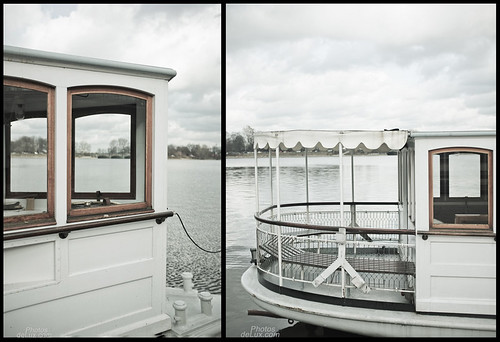
Alsterdampfer St Georg Hamburg ATG
A walk with the compact X100 and returning with great image quality

But then something strange happened. Fuji responded to many of these points (that other photographers had pointed out as well) and implemented massive changes through (free) firmware updates! This was a completely new experience for me. My previous camera brands only did firmware updates if something was seriously broken. But Fuji listened to us photographers and made the cameras better without forcing us to purchase the next years model that fixed all previous issues - the way I was used to from other camera manufacturers.

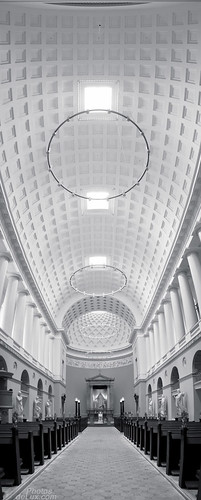
Vor Frue Kirke - Copenhagen Cathedral - Fuji X100 Pano
Using the vertical in camera pano mode is my hobby

By that time I was hooked! I was first on the list to get a X-Pro 1 with XF 18mm and XF 35mm lenses and my usage of the DSLR's was reduced drastically! Although the early X100 and X-Pro 1 had some special auto focus "characteristics" I somehow managed to still get most of my images sharp out of those cameras. By that time the X-Cameras had gotten a lot of attention and amateurs as well as pros gave it a try. Some were more happy than others, but switching from a DSLR AF to a CDAF AF takes a bit of a different approach. This motivated me to share my experience of how to get most out of the Fuji X AF via this blog post. By today it has been read a few hundred thousand times and I have gotten a lot of positive feedback.

X-Pro 1 + VSCO Film + Alphabet Soup
Happy getting the X-Pro 1

But Fuji also continued to improved the X-Cameras via FW updates in respect of usability, AF performance and features! And even after introducing the X100S upgrade from the X100 after 2 years of production, they still pushed out a major FW and feature update to the X100 for free! This may have actually hurt the sale of new X100S, but it's probably massively outweighed by future customer loyalty.

...and counting - Fuji X-Pro 1
3 years Fuji-X and counting

Today, 3 years after purchasing my first Fuji X-Camera my annual share of photos taken with Fuji X-Cameras vs. my FF DSLR is about 99% to 1%. I almost always take at least one of my Fuji cameras with me when I leave the door (that's what photographers should always do). Now it is hard for me to justify keeping the DSLR, some jobs are still DSLR territory for me, though. But with each lens that Fuji introduces and that covers my previous exclusive DSLR lens field of view, I can sell yet another part of my DSLR set (like XF 35mm f1.4 replaced my EF 50mm f1.4 and XF 56mm f1.2 replaced my EF 85mm f1.8).


A New Dawn - Happy New Year 2014 - Fuji X100S
X100S - right place, right time, right camera :)


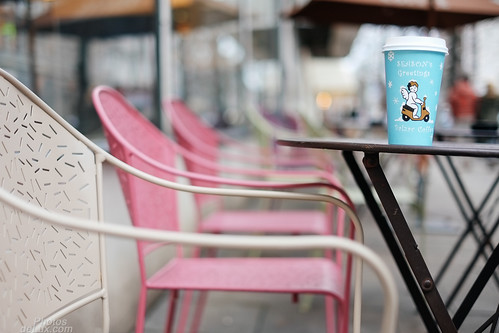
Happy Coffee Bokeh Friday 27.12.2013 - Fuji X-Pro 1
Fast lenses like the XF 35mm f1.4 allow for shallow DOF even with an APS-C camera


B&W Portrait - Fuji X100S
The X100(S) is not a portrait camera - really?


Bird and Prey - Fuji X100S


Reflect on your 2013 photo portfolio - Fuji X100S
The X100S let's me focus on my composition by allowing me to intuitively operate the settings.


Hamburg U4 Underground Station = Space Station - Fuji X-Pro 1
X-Pro 1 with Samyang 8mm f2.8 lens capturing spaceship underground stations


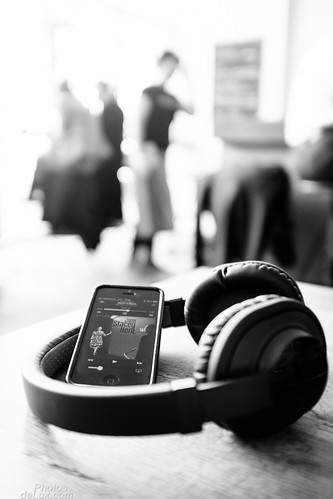
Happy Music Bokeh Friday 14.02.2024 - Fuji X100S
The X100S even produces nice bokeh for my weekly bokeh friday photos


Happy Bokeh Friday 10.01.2014 - Fuji X-Pro 1
Camera and lens FW updates made precise focusing on the X-Pro 1 much easier


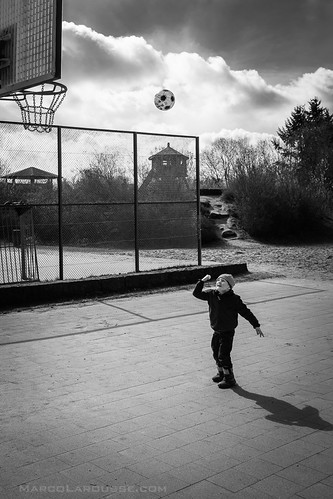
Suspense - Fuji X100S
X100S with perfect timing capturing suspense, action and hope in one frame


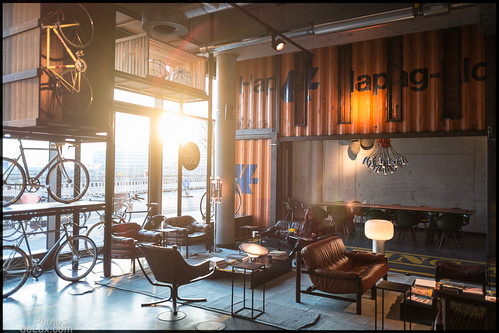
25 Hours Design Hotel Hamburg Hafen City
The day I gave RAW on the X-Pro 1 my first try


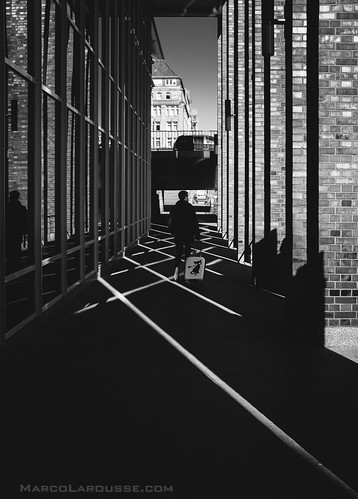
Lines, Street and Cat content - dedpxl01- Fuji X100S
X100S was my tool  for Zack Arias DEDPXL01 assignment #lines


After tenthousands of images taken with my X-Cameras I hope that Fujifilm continues to innovate the X-System like they have done in the past 3 years. And if they do, my DSLR gear will be obsolete for me one day.

So Fujifilm, Ganbatte Kudasai! :)


If you have any further questions or want to share your Fuji-X experiences just leave a comment below, Twitter me @HamburgCam or visit my Homepage at www.MarcoLarousse.com

And if you liked my post I am always happy if you spread the word and retweet, like or google +1 it :-) 

Tuesday, April 16, 2013

The Fujinon XF 14mm review - the best Leica lens Fuji ever built ;)


I have spent a few weeks with the new Fuji XF 14mm f2.8 R lens. I had heard good things about it, yet it was not love at first sight for me.

Testing the Fujinon XF 14mm f2.8 R in the real world
Testing the Fujinon XF 14mm f2.8 R in the real world...

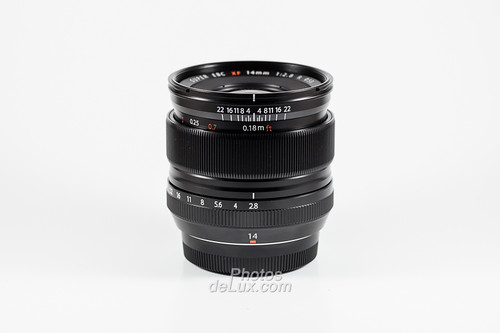
And that is not to say that it is not a pretty lens. It is very attractive looking and the markings for the DOF indicator clearly separates it from the rest of the current Fujinon XF lens lineup.


Fujinon XF 14mm f2.8 - my X-Pro 1's birthday present
Fujinon XF 14mm f2.8 R lens


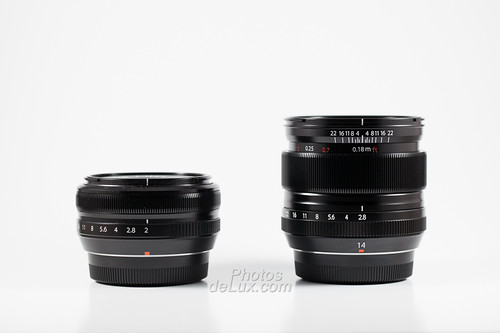
But the timing for getting the XF 14mm was a bit off for me. I had just finished some intense testing of the Samyang 8mm f2.8 fisheye and absolutely loved the 180° field of view and image quality. And my main lens for the X-Pro 1 has been the light and very compact XF 18mm f2 for the past year. Compared to the XF 18mm the XF 14mm is big (41mm/1.6" vs. 58mm/2.28") and heavy (116g/0.26lb vs. 235g/0.52lb).


Fujinon XF 18mm f2 vs. XF 14mm f2.8

Will I be using the XF 14mm enough to justify the purchase? After all it is currently the most expensive X-Mount lens made by Fuji. And in the end it is only 4mm wider than the XF 18mm and even one stop slower.

Anyway, I now had the lens in my hands and did what I always do when I get new gear – I attached it to the camera, emptied my camera bag and locked all other lenses and camera bodies into my closet. The best way to get familiar with new gear fast is to use it intensely and exclusively.

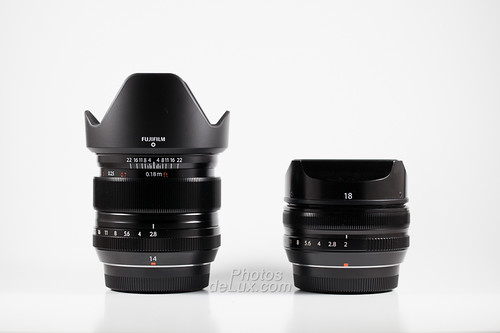
So I went out on my first stroll with the new lens. But when I stepped out of my door I felt an unfamiliar strong pull on my camera strap (which I lug across my shoulder like a messenger bag). Not only is the XF 14mm heavier, it also sticks out longer to change the weight balance a bit into the “uncomfortable” department. Additionally, I do not like the style of lenshood that the XF 14mm requires. The XF 18mm and 35mm lenses have small and unobtrusive square lens hoods. But this is the Tulip style lens hood that draws much more attention and makes the camera look bigger than it is – not good for a stealthy aspiring street photographer.


Fujinon XF 14mm f2.8 vs. XF 18mm f2 with lens hoods

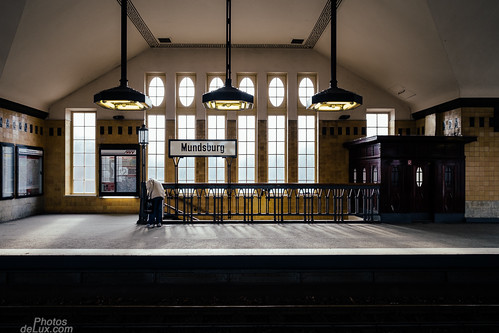
The 14mm lens will equal the field of view of a 21mm lens on a full frame camera. So the 90° field of view should be perfect for landscape and architecture. And while I have gotten really used to the 27mm full frame equivalent field of view of the XF 18mm lens, I could clearly see the added benefit of a 21mm equivalent field of view of the XF 14mm lens. You can get closer and still get everything in the frame.


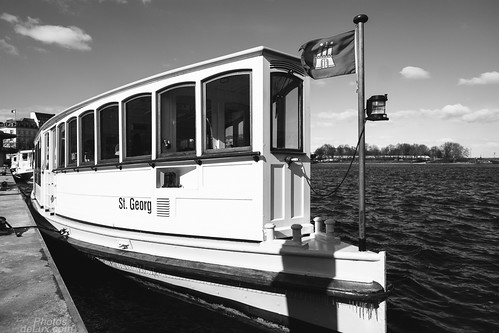
Dampfschiff St. Georg Hamburg - Fujinon XF 14mm - Fuji X-Pro 1
Wide angle lenses allow you to get closer to avoid having other photographers / tourists in your picture ;)

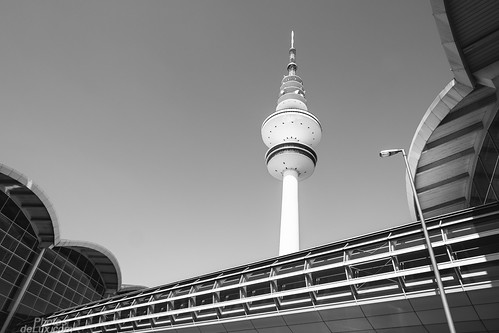
Hamburg Telemichel und Messehallen - Fujinon XF 14mm f2.8 - Fuji X-Pro 1
Hamburg Telemichel and Messehallen - Fujinon XF 14mm f2.8 - Fuji X-Pro 1

A quick check on the MacBook Air brought the first surprise: It does not show distortion - not even on the RAW file! Wow! For a wide angle lens like this, I’m impressed!

I also made myself familiar with the manual focus mechanism of this lens and it works pretty much the way I would have wanted it to. It is pretty comfortable to switch into the MF mode directly when you pull the focus ring back. No need to set the MF switch manually. And it goes right back to AF when you push the focus ring back to the forward position. Very smart! But it comes with one drawback: You can not automatically prefocus with the AF-L button in manual mode. The AF mechanism seems to be completely decoupled from the gears when in MF mode. And when in AF mode you can’t turn the MF focus ring as it is locked.


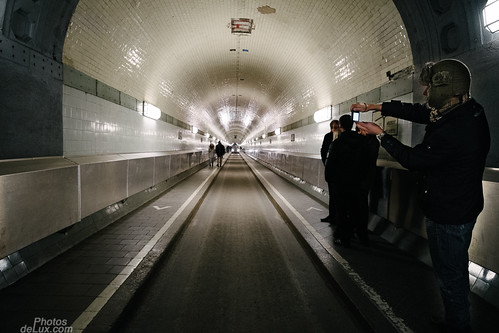
Elbtunnel - Underneath the Elbe River - Fujinon XF 14mm f2.8 - Fuji X-Pro 1
 Fujinon XF 14mm f2.8 @ f4 ISO 3200

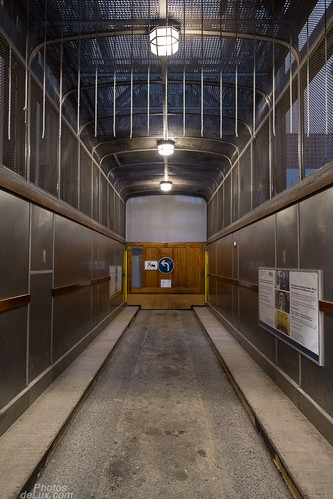
Car Elevator Elbtunnel - Fujinon XF 14mm - Fuji X-Pro 1

Zone focusing has worked well for me with the XF 14mm and it raises the question, why many modern lenses don’t get these useful markings any more?


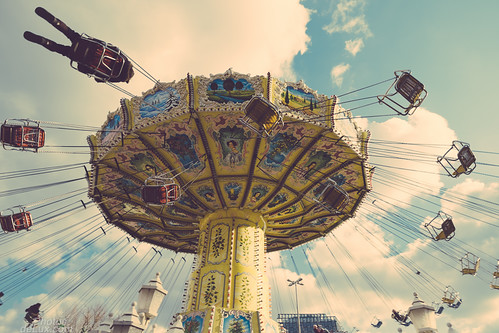
Hamburg Frühlings DOM 2013 - Fujinon XF 14mm - Fuji X-Pro 1
14mm gave the perfect 90° angle to capture this chairoplane

The manual focus is still focus by wire on the XF 14mm but it is the best feel of all the XF lenses I have tried so far.

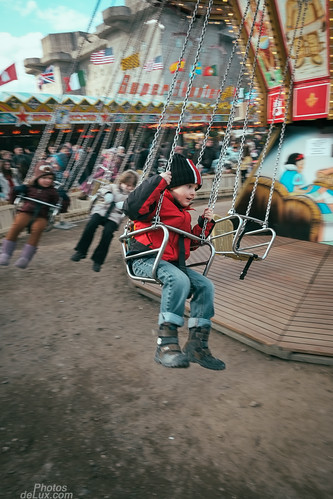
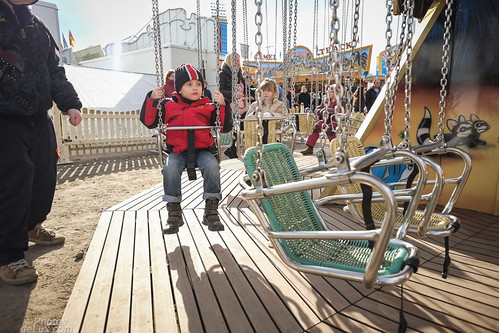
Flying on the chairoplane - Fujinon XF 14mm f2.8 - Fuji X-Pro 1
 Zone focus with DOF indicator on the lens worked well

The autofocus feels about as fast as the one in the XF 35mm and not quite as snappy as the XF 18mm. The 58mm filter thread is a bit unfortunate compared to the 52mm of the XF 18mm and 35mm, but physics has it’s laws about front element size...


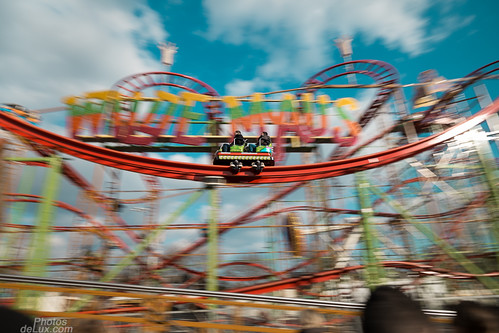
Rollercoaster panning - Fujinon XF 14mm f2.8 - Fuji X-Pro 1
Roller coaster panning - Fujinon XF 14mm f2.8 - Fuji X-Pro 1

The lens handles flare pretty good for a 14mm wide angle lens. It shares the same lens hood with the XF18-55mm zoom lens. That is convenient for people who own both lenses and only want to bring one lens hood. But it also raises the question if the zoom lens gets the maximum sun protection on the wide end if the cover area is enough for an even wider 14mm vs. 18mm lens?

Backlight and flare test with the Fuji XF 14mm lens - Fuji X-Pro 1

This brings me to the image quality. As always I do not test my gear in lab conditions. Others who are much better at this already do plenty of these tests. For me it is important to see how the gear behaves in normal shooting situations. And here the lens performs stunningly well! Sharpness and contrast are already very good wide open at f2.8 and gets even better (especially in the corners) at f4 - f5.6 range. I hardly shoot beyond f5.6 if I don’t have to. But I tried some daytime long exposures with a ND1000 filter and aperture up to f16 to get a slow shutter time. IQ is still good but you loose some sharpness due to diffraction beyond f11 – like with most other lenses, too.


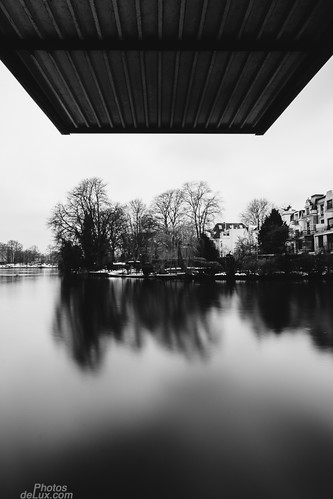
Hamburg Alster Architecture - Fujinon XF 14mm f2.8 - Fuji X-Pro 1
 XF 14mm long exposure: 15s - f16

Space Odyssey 2013 - Fujinon XF 14mm - Fuji X-Pro 1
XF 14mm long exposure: 15s - f16

There is a bit of vignetting wide open at f2.8 (corrected on the JPG files, visible on RAW) and it decreases slowly when you stop down. Nothing out of the ordinary for a wide angle lens, though. But the vignetting has not spoiled any of my images so far.

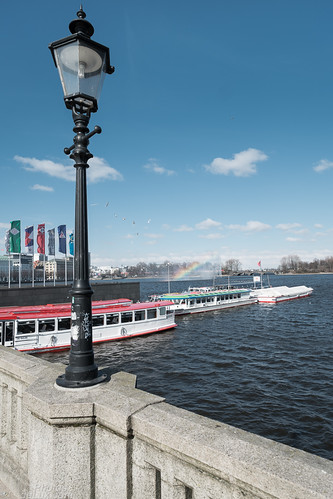
Hamburg Alster Fountain Rainbow - Fujinon XF 14mm - Fuji X-Pro 1
Hamburg Alster Fountain Rainbow - I even added some extra vignetting on the top of this image!


If you have followed my blog, Flickr stream and Twitter feed long enough, you know how important bokeh is to me. So how does the XF 14mm handle the out of focus blur?


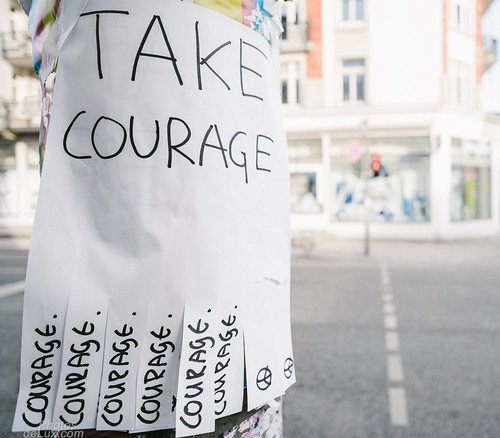
Take Courage! - Fujinon XF 14mm - Fuji X-Pro 1
 Take Courage! Get closer than you normally would to get a smooth bokeh

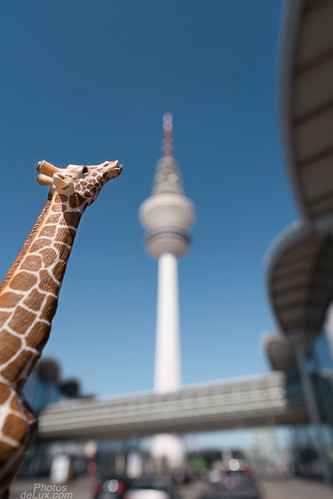
Hamburg Bokeh Sightseeing with the giraffe, Fuji XF 14mm and Fuji X-Pro 1
My Hamburg Bokeh Sightsseing series benefits from the XF 14mm wide angle lens

After tons of photos in all different lighting situations I am nothing short of impressed. I hear a few complaints about the price of this lens. And at a MSRP of EUR 899,- / USD 899,- it does not generally appear to be a bargain for a Fujinon XF lens at first sight. But imagine you could buy a Leica 14mm f2.8 lens for this price – you would not think twice. And from my image quality point of view I would say that the XF 14mm is the most Leica like wide angle lens I have tried so far.
If you take a look at it from this point of view the lens is almost a bargain! :)

Positive:
+ Great image quality, color and contrast
+ DOF scale on the lens
+ Handles flare well
+ Value for money!

Neutral:
o Normal wide angle vignetting
o 58mm filter thread vs. 52mm on XF18 and 35mm
o 1 f-stop slower than the XF 18mm lens

Negative:
- Bulky lens hood (also obstructs OVF on X-Pro 1 quite a bit)
- A bit too big and heavy for my taste

If you have any further questions leave a comment below, Twitter me @HamburgCam or visit my Homepage at www.MarcoLarousse.com

And if you liked my post I am always happy if you spread the word and retweet, like or google +1 it :-) 

Wednesday, March 13, 2013

Ultra Wide Angle Fisheye Lens on the Fuji X-Pro 1 - Samyang 8mm f2.8 XF

APS-C cameras used to have a few drawbacks compared to full frame cameras:

1. The smaller sensor produced noisier photos at high ISO and lacked dynamic range.

2. It is more difficult to produce a photo with shallow depth of field.

3. Due to the crop factor it was difficult to get a good quality ultra wide angle lens with a larger field of view than 120°

The introduction of the Fuji X-Pro 1 solved No. 1. for me right away. And while No. 2 is based on a law of optics I have found my way of dealing with it by changing my approach on taking those kind of images.

That left No. 3 still to be desired.

I have a Canon EF 15mm fisheye lens for my full frame camera, but when I connect it with an EOS-XF adapter to my X-Pro 1 the APS-C sensor size reduces the effective field of view to about 85° - or the equivalent FOV of a 23mm lens on a full frame camera.  Fuji’s currently widest XF lens is the XF 14mm f2.8 with an effective field of view of 90° (equivalent FOV of a 21mm lens on a full frame camera) - and while this lens seems to be very impressive (it is my next review on the list), I had to look elsewhere to go much wider than 90°. My research led me to the Samyang 8mm f2.8 fisheye lens for the Fuji XF mount. The lens promises an effective field of view of 180°! Samyang is a Korean manufacturer and this particular lens is also branded as Rokinon, Bower and Walimex 8mm f2.8 lens and also available for different camera manufacturer mounts.

Throughout my photography career I have had mixed results with 3rd party lenses and ended up staying with the known “big” brands from the respective camera manufacturer. But due to the lack of alternatives and a reasonable street price of around EUR 300 in Europe or USD 300 in the US, I wanted to give the Samyang a try.

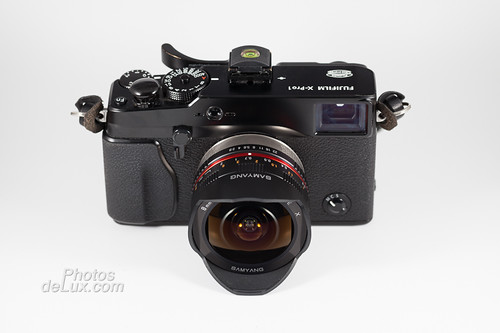
Samyang 8mm f2.8 XF for Fuji X-Pro 1
Samyang 8mm f2.8 XF attached to my Fuji X-Pro 1


After all, a fisheye lens is a specialty lens that should not be overused or you (and your audience) will soon get bored/annoyed by the effect it produces. And I can almost promise you that you will get tired of it after you see all the images in this post, too - so always use a fisheye lens wisely ;)

When the Samyang 8mm f2.8 lens arrived I was surprised! It is small yet very heavy. Compared to the Fuji XF 18mm f2 the Samyang is about the same size but a bit over twice as heavy (116g/4.1oz to 260g/9.2oz)! What did they use to build it – depleted uranium? But Fuji’s XF lenses are exceptionally well and light build and compared to the Canon EF 15mm f2.8 fisheye the Samyang is actually a bit lighter.

The Samyang’s aperture and focus rings are rather stiff even when compared to my legacy Olympus OM lenses. But this also gives me the feeling that this lens has a solid build quality and I will most likely get used to it over time. The lens is all manual and has no electronic intelligence that get’s passed on to the camera body. That has the big disadvantage that your Exif files will not contain any info about the lens and aperture. Luckily you can add a 8mm custom profile to the Fuji X-Pro 1 and if you activate it before you use the Samyang lens, the Exif will at least show 8mm. But the aperture will always read “f1”. And while you're in the Fuji's menus make sure that you activate the "shoot without lens" option, as the Fuji will not know that a lens is attached without electronic feedback from the lens.

Enough talk about the specs and feel, let’s see what this lens can do! I went out a few times and used this lens in situations where I think that a fisheye can work its magic.

All images were captured in RAW and processed and converted in LightRoom 4.3 with the "old" Adobe RAW converter. The new converter in version 4.4 could improve the image quality.

And as always click on the image to get the option for a bigger version in my Flickr stream.


Bad weather forced my to do most of my tests indoors so I started with some composition tests at the "Wandelhalle" in Hamburg's central station. On the first image I chose a vertical pano orientation as I wanted the clock as an eye catcher in the frame while giving the viewer an idea how the whole structure looked like:
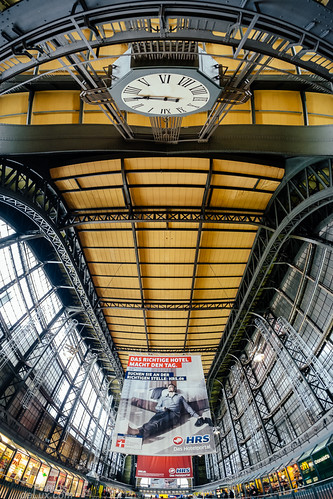
Hamburg Hauptbahnhof Wandelhalle 8mm Fisheye - Fuji X-Pro 1
Vertical worked well here - 180° cramed in one photo :)


Just a few steps from the previous location I took this picture by pointing the camera up and aiming in horizontal orientation at the ceiling. Adding a stronger tone curve gives this image an even more dramatic look - looks a bit like an old factory:
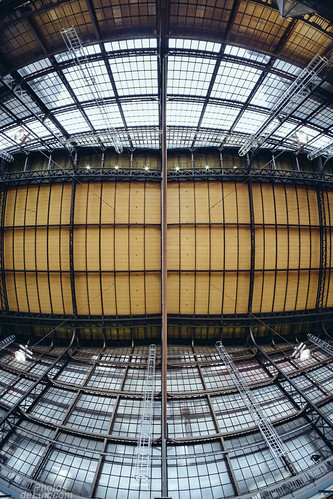
Wandelhalle Hamburg Hauptbahnhof 8mm Fisheye - Fuji X-Pro 1
This angle of view created a totally different look of the same location


And finally I took an image of the station entrance pointing the lens straight up at the ceiling:
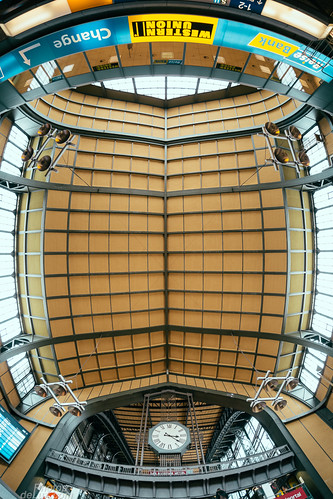
Wandelhalle Hamburg Hauptbahnhof with 8mm Fisheye - Fuji X-Pro 1
You need to take your time to align the framing carefully


After testing the versatility of this lens to create different looks in the same location, let's have a brief look at the sharpness in the next sample. I took this image in low light at f2.8 in a subway station and cut it close to a 2:1 aspect ratio to give it a panorama look. This is another advantage of having a 180° field of view - you get an instant one shot panorama :)
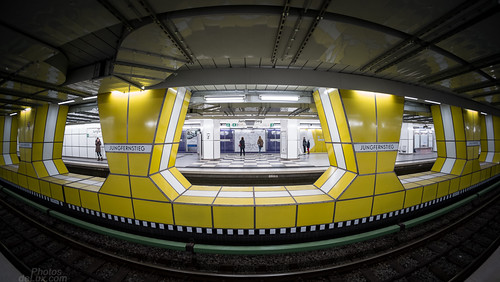
U-Bahn Station Jungfernstieg U4 - Fuji X-Pro 1
Cutting off some of the top and bottom of this frame creates a panorama look


 Let's get closer to the center of the frame. Remember this is at f2.8 and ISO 800 and 1/30s exposure. There may be slight motion blur in people but overall this is pretty good:
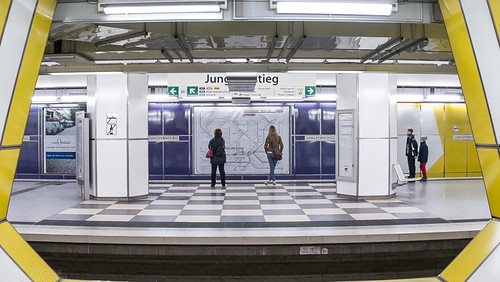
U-Bahn Station Jungfernstieg U4 - Crop - Fuji X-Pro 1
I am really happy with the results at f2.8 in this low light situation


Not wanting to turn this blog post into a pixel peeping competition let me just say this about sharpness, contrast and color rendition from my experience so far. Considering that it's a fisheye lens for a reasonable price I am astonished how well this lens does! At f2.8 it is perfectly usable and at f4-5.6 it leaves nothing for me to be desired in a fisheye lens. The edges are a bit softer the further you get towards the corners and there is some vignetting when shooting this lens wide open, but this should not be a surprise to anyone who has some experience with wide and ultra wide angle lenses.
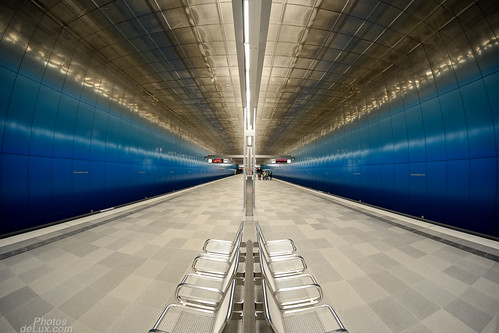
U-Bahn Überseequartier with 8mm Fisheye - Fuji X-Pro 1
At 180° you get more info into your images than the human eyes can normally see (about 120° with peripheral vision)


At f5.6 the corners are very sharp for a fisheye lens. And if you set it to f5.6 and a focus distance of 2m (6ft) you get a sharp focus zone from about 0,5m (2ft) to infinity.
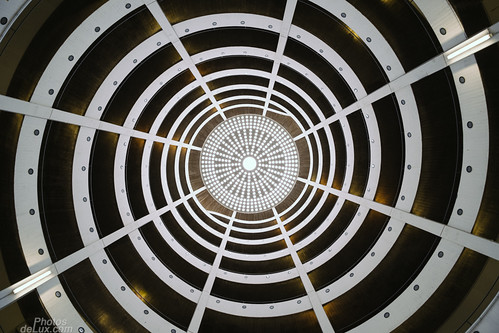
Time Tunnel - Samyang 8mm f2.8 - Fuji X-Pro 1
This is one of my favorite wide angle subjects shot at f5.6


At 180° field of view you will often have light sources, like the sun, shining directly into the lens. The Samyang 8mm f2.8 has a permanent lenshood. But that is just large enough not to show up in the frame. And the convex outward pointing front element of the lens is easily exposed directly into a light source. So inevitably flare becomes an issue. And as for most wide angle lenses the Samyang 8mm is not immune to flare. Depending on the angle the light enters and the aperture chosen (the higher the f-stop the stronger the flare and aperture blade diamonds can show up) the stronger the flare will be visible. Yet, in this sample image I only had to stamp out two spots to get rid of the most visible (unwanted) flare:
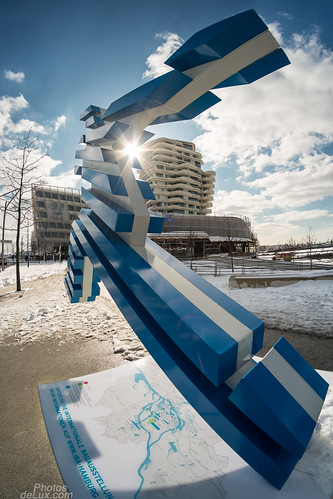
IBA_Hamburg Komm_Rüber Sprung - 8mm fisheye - Fuji X-Pro 1
Shooting into the sun at f5.6 - I added a vignette in post


And it is a very similar situation with chromatic aberrations - only that they tend to be stronger when shooting at wide open aperture. The Samyang shows some chromatic aberrations in back light situations around fine structures, but it is very low and very easy to fix in LightRoom 4. The Canon EF 15mm fisheye on the other hand is a CA nightmare on my full frame DSLR!
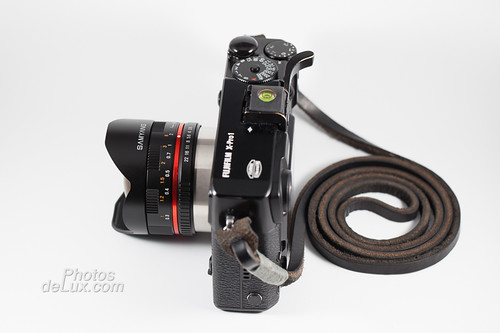
X-Pro 1 with Samyang 8mm f2.8 XF Fisheye side view
The Samyang lacks DOF markings on the lens and its shortness introduces problems


So far I am very positive about this lens. But there are also a few problems that I encountered during the past week of intensive use. For one this is a fully manual lens like we used to have them before AF was invented. And during that time it was common to add a depth of field scale to the lens. This way you could easily prefocus to a distance and an f-stop that would deliver a sufficiently large DOF for your intended use. The Samyang does not have such a DOF scale and IMHO the person responsible for this omission should not get any dessert in the Samyang cafeteria for at least one year ;)

Secondly, and this really turned into a challenge for me, the lens is too short. How can that be a bad thing? Well, when packing and transporting your gear it is a big advantage. But when you hold your camera in one hand and use the other hand to support the lens while operating the focus ring, you will most likely end up unintentionally capturing your fingers very often! For me as a right handed person the fingers from my left hand (holding the lens) appeared many times in the bottom right corner of the images!

I will have to find a different grip when using this lens on the Fuji X-Pro 1. Shooting and aligning a fisheye lens correctly is challenging enough that I don't have time to check the corners of the frame all the time and it might mess up my carefully composed framing...
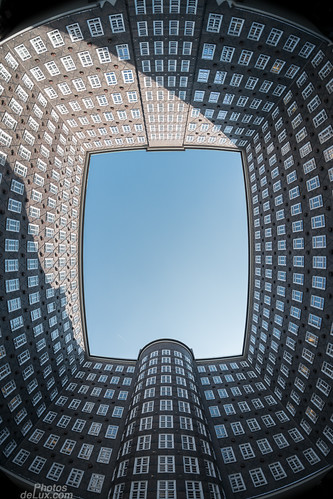

Sprinkenhof Fisheye view 8mm Samyang f2.8 - Fuji X-Pro 1
Perfect framing is essential for these kind of photos - better activate the "grid view" in the EVF


This brings me to my last and one of my favorite Samyang 8mm f2.8 image for this post - the new U4 Überseequartier subway station in the Hamburg HafenCity:
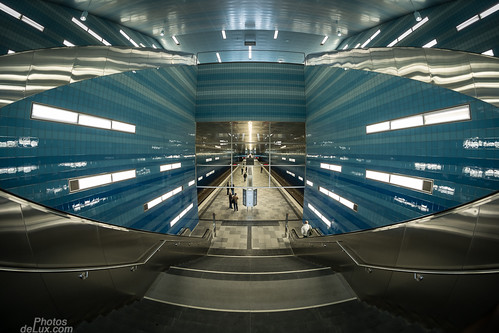
U4 Station Überseequartier -  8mm Samyang Fisheye - Fuji X-Pro 1
An 8mm fisheye lens is made for this location - U4 Überseequartier Hamburg


My conclusion:

Positive:
+ It's sharp at f2.8 and gets better up to f5.6 (especially corners)
+ It produces good color and contrast
+ It's solid build and small
+ Chromatic aberrations and flare are very controllable for a fisheye lens
+ Very reasonable price for what you get

Neutral:
o The aperture and focus ring are a bit stiff
o The lens is quite heavy for its size
o The amount of Vignetting appears to be normal for a fisheye lens
o Aperture is changed in 1/2 f-stops instead of 1/3 f-stops

Negative:
- There are no depth of field markings on the lens! Why not???
-  No lens information (lens type, f-stop) is passed on to the camera (custom set it to 8mm in camera!)
- Attached to the X-Pro 1 the lens is very short and it is hard to hold (support) the lens without capturing part of your fingers in the corner of the frame.
- The minimum focus distance starts at 0.3m (1ft). At that distance a 8mm lens closeup shots doesn't look very close at all and it can't produce this special funny perspective that is unique to some UWA lenses.


At first I was a bit sceptical about buying a "new" third party lens for my Fuji X-Pro 1. But the fairly low price, lack of a Fuji equivalent focal length and the fact that this is not an every day lens made the risk of ordering it a bit more manageable.

After a week of intensive testing I am nothing short of impressed with the value that this lens offers and if you have been wanting a fisheye lens for your Fuji X-Mount camera, the Samyang 8mm f2.8 is certainly worth a closer look.


If you have any further questions leave a comment below or Twitter me @HamburgCam

And if you liked my post I am always happy if you spread the word and retweet, like or google +1 it :-) 

Thursday, July 26, 2012

Fuji X-Pro 1 and Olympus OM Zuiko lenses

After my review on the Kipon Canon EOS to Fuji XF adapter, I am going to write about how the Kipon Olympus OM-XF adapter performs on the Fuji X-Pro 1.

Fuji offers their own intelligent adapter for Leica M lenses. And if I were fortunate enough to own Leica M glass, I would buy the Fuji adapter in a heartbeat.

But I still own some Olympus OM Zuiko lenses from my old analog OM-4 Ti. Therefore another Kipon adapter was ordered and I had it connected to the X-Pro 1 quite often in the past month.

Unfortunately, my OM lens collection on the wide side overlaps with my current Fujinon XF lenses in terms of effective focal length. This leaves me with the Olympus OM Zuiko 50mm f/1.8 Auto-S and OM Zuiko 100mm f/2.8 Auto-T as useful additions to my current X-Pro 1 lens lineup. Great thing about those two lenses is that they are rather compact (compaed to the Olympus 50mm f/1.4 and 100mm f/2). And with the additional lengt of the Kipon OM-XF adapter, you'll want as short of a lens as you can get - unless you want to end up with an odd looking drainpipe sticking out from your slim X-Pro 1 body ;)

The biggest advantage of the OM lenses vs. the Canon EOS EF lenses is that you can select the aperture right on the lens itself. No aperture "hack" required :)

And how do they perform? The image quality is great! I mainly use the 100mm as this effective field of view equals 150mm on a full frame body. Somehow I did not find much use for the 50mm (75mm equivalent FOV), yet.

Both performe really well wide open. But in order to use them wide open your focus has to be spot on. And that is quite difficult to manage with the current stage of the EVF refresh and magnification rate offered by the X-Pro 1. Did I mention before that I wish for a second MF magnification level of 5X in addition to the 10X we already got? And focus peaking would make focusing long MF lenses so much easier...

But the way it is right now (X-Pro 1 with FW 1.10) I usually stop down on moving subjects to f/5.6 in order to get enough depth of field to compensate for focus inaccuracy. It works but it takes a bit potential away from this great combo.

So if you want to use your OM (or any other manual focus) lens wide open on the X-Pro 1 make sure you aim at static objects - possibly even with the camera set on a tripod.

Here are some sample images - as always click on the image to see a larger version:

Last one standing - Fuji X-Pro 1
"Last one standing" - X-Pro 1 with Olympus OM 100mm f/2.8 Zuiko at f/8


Happy Bokeh Friday 08.06.2012 - Fuji X-Pro 1
As they were posing for their own photo I was able to nail focus with the OM 100mm wide open at f/2.8 - nice bokeh, too


First contact - Fuji X-Pro 1
Architecture works also well with the OM 100mm at f/5.6 as there is virtually no distortion!


Analogman @ work in Paris! Fuji X-Pro 1
Another lucky shot with the 100mm at f/2.8 - I wished focusing this long lens would be more reliable with the EVF in scenes with moving subjects


Hiding - Shrouded in a scarf - Fuji X-Pro 1
This was shot in a crowded place but I was able to single out this undercover lady with the 100mm lens at f/5.6


Olympus OM 50mm f/1.8 auf Fuji X-Pro 1
This is an example of how well the OM 50mm f/1.8 looks on the X-Pro 1


Getting close - Fuji X-Pro 1 with OM 100mm
And just in case if you are interested in how the OM 100mm handles color images... Looks very natural to me :)


DSCF5813
The OM 100mm f/2.8 isn't a dedicated macro lens - but look at the details on the focus point on the "C" from Cycle in the full size image at f/2.8!!! (click the image)


Fuji X-Pro 1 with Kipon OM-XF adapter and Olympus OM 100mm f/2.8 Zuiko lens
And now you probably want to see how the adapter and lens combo looks like when attached to the X-Pro 1. Notice that the Kipon OM-XF adapter itself is about half as long as the 100mm lens.


To sum it up:
The Olympus OM lenses were good lenses back in the analog days. And the once I tested perform really well on the X-Pro 1, too. So if you still have some OM lenses in the drawer, think about getting an OM-XF adapter for your X-Pro 1. And if you don't have any old lenses, check for used OM lenses on the web or at you used camera store.

Against my usual believe to go for the "faster, bigger and more expensive lenses" I would suggest to go for the smaller, lighter, cheaper ones when it comes to OM 50mm f/1.4 vs. f/1.8 and OM 100mm f/2 vs. f/2.8. The "slower" lenses perform really good and due to the challenging EVF focusing on the X-Pro 1 you might end up stopping the lenses down anyway.

If you have any further questions leave a comment below or Twitter me @HamburgCam

And if you liked my post I am always happy if you spread the word and retweet, like or google +1 it :-)